
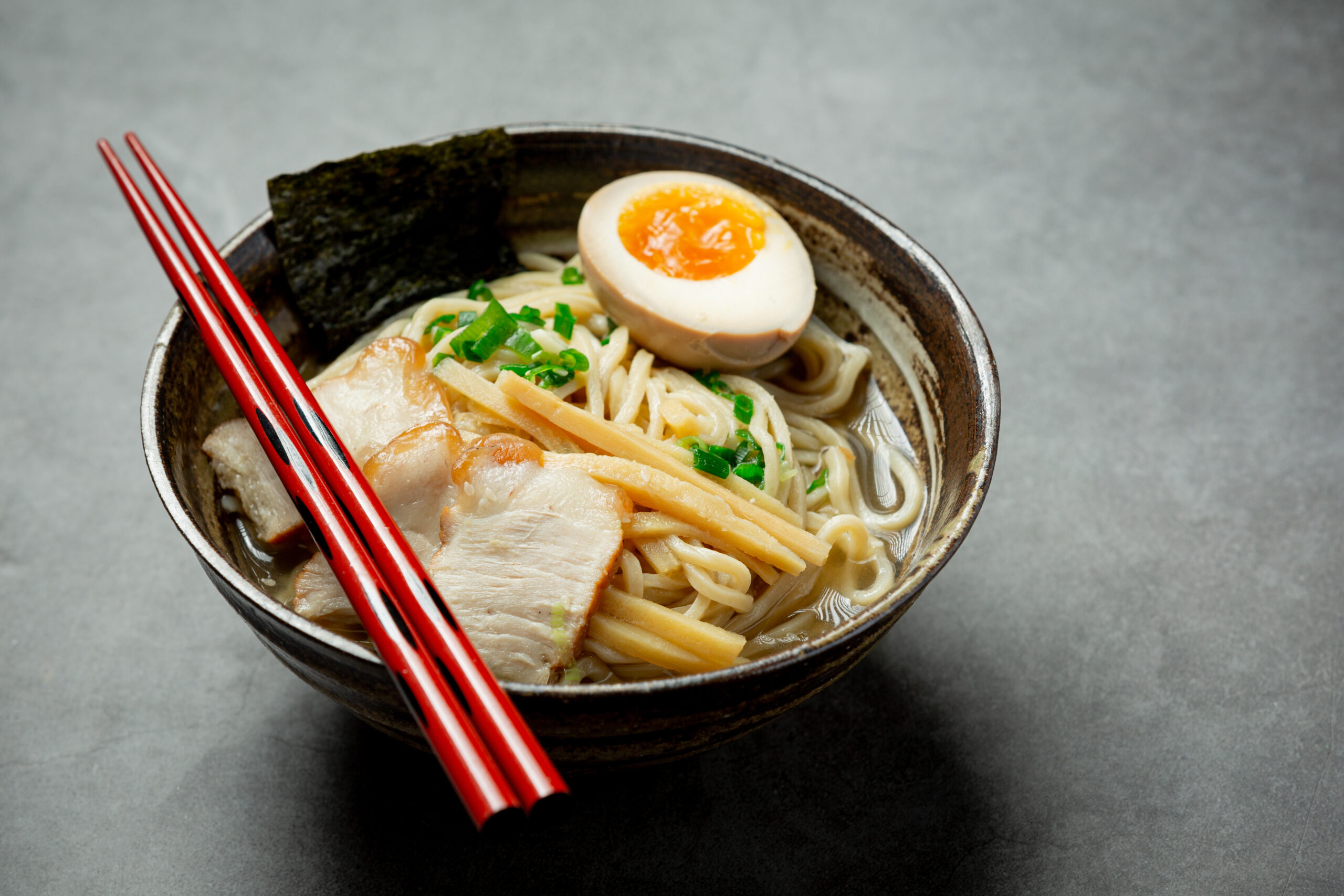
Japanese ramen is one of the most beloved noodle dishes in the world, and for good reason. It is a complete meal in a single bowl, layered with broth, noodles, protein, and toppings that work together with a precision ramen chefs spend years developing and refining. What started as a dish influenced by Chinese wheat noodles in the early 20th century evolved into something distinctly Japanese, with regional variations so different from one another that a bowl of tonkotsu from Fukuoka and a bowl of shio from Hakodate barely resemble the same dish. Understanding what ramen is — and how it compares to similar noodle dishes — changes how you approach every bowl from that point on.
Ramen is also one of the few dishes in the world where the gap between a mediocre version and a great one is enormous. A convenience store cup of ramen and a bowl from a dedicated shop that has been refining its broth recipe for thirty years are technically the same dish, but they taste nothing alike. That gap exists because every component — the bones, the water, the noodle thickness, the tare ratio — matters more than it looks like it should from the outside.
What Is Ramen
Ramen is a Japanese noodle dish built around four key components: the broth, the tare, the noodles, and the toppings. The broth forms the foundation, typically made by simmering bones, vegetables, or dried seafood for many hours until it develops depth and a clean body. The tare is a concentrated seasoning added separately when the bowl is assembled — a small amount of intensely flavored liquid that defines the final taste of the entire dish. This deliberate separation of broth and tare is one of the structural elements that distinguishes ramen from most other noodle soups and gives skilled chefs room to fine-tune each bowl with real precision.
The noodles are made from wheat flour, water, salt, and kansui — an alkaline mineral water that gives them their characteristic springy bite and slightly yellow color. The kansui triggers a chemical reaction with the flour proteins that cannot be replicated with ordinary water, which is why ramen noodles have a texture no other wheat noodle quite matches. Toppings vary widely by region and style but typically include chashu (braised pork belly cooked in soy, mirin, and sake), a marinated soft-boiled egg called ajitsuke tamago, menma (bamboo shoots), nori, and sliced green onion. Each element is prepared separately and added to order, which is why a bowl from a skilled ramen shop looks and tastes as deliberate as it does.
Types of Ramen
Japan has dozens of regional ramen styles, but four main categories form the foundation that most variations build from. Each is defined primarily by the seasoning used in the tare rather than the broth base itself.
| Style | Base Tare | Broth Character | Key Region |
|---|---|---|---|
| Shoyu | Soy sauce | Clear, savory, amber-toned | Tokyo |
| Miso | Miso paste | Thick, rich, warming | Hokkaido |
| Shio | Salt | Clear, very delicate | Hakodate |
| Tonkotsu | Pork bones | Milky white, heavy, fatty | Fukuoka |
Shoyu ramen uses soy sauce as the base tare and produces a clear, savory, amber-toned broth. It is historically rooted in Tokyo and is probably the style most people associate with classic ramen. Shio ramen uses salt as its primary seasoning, making it the most delicate of the four styles. The broth is clear and clean, and subtle flavors from chicken or seafood come through with unusual clarity because nothing heavier is masking them. Miso ramen uses fermented soybean paste in the tare, producing a thick, warming broth that is the most substantial of the four. Tonkotsu ramen uses the collagen extracted from pork bones boiled at high temperature for many hours, resulting in a milky white, fatty, intensely porky broth unlike anything in other noodle traditions.
What Is Miso Ramen
Miso ramen originated in Hokkaido, Japan’s northernmost main island, and that geography explains the dish immediately. The climate is harsh, winters are long, and the local food culture reflects a genuine need for warmth and sustenance. The broth is thick, warming, and built to fill you up, making it the most substantial of the four main ramen styles by a wide margin.
The tare is made from fermented soybean paste — white miso, red miso, or a proprietary blend unique to each shop — combined with aromatics like garlic and ginger before being incorporated into the broth. The finished bowl is noticeably thicker than shoyu or shio ramen. Classic Hokkaido miso ramen comes topped with corn, a pat of butter, bamboo shoots, bean sprouts, and ground pork, with thick curly noodles that hold the heavy broth in their folds. As you eat, the butter melts into the bowl and the broth grows progressively richer toward the bottom.
Tonkotsu vs Miso Ramen
These two styles get compared frequently because both are rich and filling, but they achieve that richness through completely different methods. Tonkotsu broth gets its body from collagen released by boiling pork bones at a rolling boil for 12 to 18 hours, turning the liquid milky white and almost creamy in consistency. The process is labor-intensive and produces a broth that is unmistakably heavy and fatty, with a flavor that is entirely pork-forward from the first sip.
Miso ramen gets its richness from fermented paste rather than bone collagen. The flavor is earthier and more fermented in character — umami-forward in a way that tonkotsu simply is not. Tonkotsu sits heavier in the stomach; miso reads as more aromatic and layered. Both are worth eating before deciding which style you prefer, because most people land clearly on one side after trying both.
Ramen vs Udon
Ramen and udon are both Japanese noodle dishes, but the comparison mostly ends at the category level. Udon noodles are thick, white, and made from wheat flour without kansui, giving them a soft, pillowy chew very different from the firm, elastic bite of ramen noodles. Udon broth is typically a clean, light dashi from kombu and bonito flakes, and the overall flavor profile is gentler and more restrained than any ramen style.
Ramen is built for complexity and layering. Udon leans toward simplicity and clean comfort. Ramen toppings are elaborate and deliberate — chashu, seasoned eggs, bamboo, and nori all working together in the bowl. Udon toppings are usually minimal: tempura, green onion, a strip of fish cake. They are two different eating experiences that happen to involve wheat noodles in a warm broth, and both deserve a place in your understanding of Japanese food.
Ramen vs Pho
Ramen vs pho comes up constantly for people exploring both cuisines, and the comparison helps clarify what makes each dish distinctive. Pho is a Vietnamese noodle soup built on a clear, aromatic broth made from beef or chicken bones, charred onion, and warm spices — star anise, cinnamon, cloves, and cardamom among them. The noodles are flat rice noodles, not wheat. Fresh herbs, lime, and bean sprouts come on the side so the diner adjusts flavors at the table. The result is fragrant, clean, and relatively light in body.
Ramen broth is built for depth rather than aromatic delicacy. There are no warm spices in traditional ramen, and the fat content is typically much higher than pho. Ramen noodles are chewy and elastic; rice noodles are soft and fragile by comparison. The eating experiences share a similar structure but the flavor languages are entirely different. Most people who love both agree they satisfy completely different cravings on completely different days.
Japanese Noodle Dishes Beyond Ramen
Ramen earns the most international attention, but Japan has a full family of noodle dishes worth knowing before you explore a Japanese menu seriously.
Soba uses thin buckwheat noodles served cold with a dipping sauce in summer, or in a hot dashi broth in winter. Buckwheat gives them a nutty flavor and a firmer texture than udon. Somen are very thin white wheat noodles almost always served cold, dipped into a light tsuyu sauce — delicate and refreshing rather than filling. Tsukemen serves ramen noodles separately from a rich, concentrated dipping broth, letting you control the ratio with each bite and keeping the noodles from softening in the bowl. Yakisoba uses wheat noodles pan-fried with cabbage, pork, and sweet-savory sauce rather than served in broth — part of the same noodle tradition but an entirely different preparation.
How to Eat Ramen
Ramen is meant to be eaten fast. The noodles continue cooking in the hot broth after the bowl arrives, and leaving it untouched for ten minutes produces soft, bloated noodles that have lost their texture and appeal completely. Start eating immediately, take a first sip of plain broth before adding anything to the bowl, and work through the dish while everything is still at the right temperature and consistency.
Slurping is not only acceptable but genuinely encouraged in Japanese ramen culture. It cools the noodles slightly, aerates them, and actually affects how the broth flavors register on the palate. Nobody at a ramen shop in Japan will look up from their bowl when they hear it, and you should not feel any hesitation about the sound.
Many shops offer kaedama — a refill of freshly cooked noodles to drop into your remaining broth once the first portion is finished. Order it before the broth cools, which means finishing your noodles while there is still a meaningful amount of rich liquid left in the bowl. It is one of the more satisfying small rituals in Japanese dining.