
Japanese Food Culture

Japanese Food Culture: A Complete Guide to Japan’s Culinary Traditions

More Than Just Sushi

Most people outside Japan picture sushi when they think of Japanese food, but that’s only the beginning. The country’s culinary world spans hearty ramen, delicate kaiseki meals, crispy tempura, and thousands of regional specialties you’d never find on a standard takeout menu.

A Culture Built Around Food

In Japan, food isn’t just fuel — it’s a social ritual, a form of art, and a way of honoring both the cook and the guest. Every meal, from a simple bowl of rice to a formal multi-course dinner, carries meaning.

Why It Matters to Understand It

If you want to truly appreciate Japanese food, knowing the culture behind it changes everything. You start tasting the philosophy, not just the flavors.

The History of Japanese Food

Japanese culinary history stretches back more than 2,000 years, shaped by geography, religion, and foreign influence. Rice became the cornerstone of the diet during the Yayoi period, around 300 BCE, and it has held that role ever since.

Japanese Food Culture

Influence of Buddhism

When Buddhism spread through Japan in the 6th century, it brought with it a preference for plant-based eating. Monks developed shojin ryori — a style of vegetarian cooking that still exists today and influenced how Japanese chefs think about minimalism and restraint.

Japanese Food Culture

The Edo Period and Regional Identity

During the Edo period (1603–1868), Japan closed itself off from much of the outside world, and distinct regional food cultures flourished. Kyoto developed elegant, subtle flavors tied to imperial court cuisine, while Osaka became known as the country’s kitchen, packed with bold street food and merchant-driven eating culture.

Japanese Food Culture

Western Influence in Modern Times

The Meiji Restoration in 1868 opened Japan to Western influence, introducing meat-heavy dishes like tonkatsu and yoshoku — Japanese-Western fusion cooking. These dishes are now classics in their own right, showing how Japanese food culture absorbs outside ideas and makes them its own.

Japanese Food Culture

UNESCO Recognition

In 2013, washoku — the traditional dietary cultures of the Japanese — was inscribed on the UNESCO Intangible Cultural Heritage list. This recognition highlighted not just the food itself but the values behind it: harmony, respect for nature, and nutritional balance.

Types of Japanese Food

Japanese cuisine breaks down into several broad categories, each with its own traditions and techniques. Understanding these types helps you navigate menus and appreciate what you’re eating.

Traditional Japanese food centers on rice, fish, miso, pickles, and seasonal vegetables. These staples form the foundation of washoku, the traditional diet that UNESCO recognized.

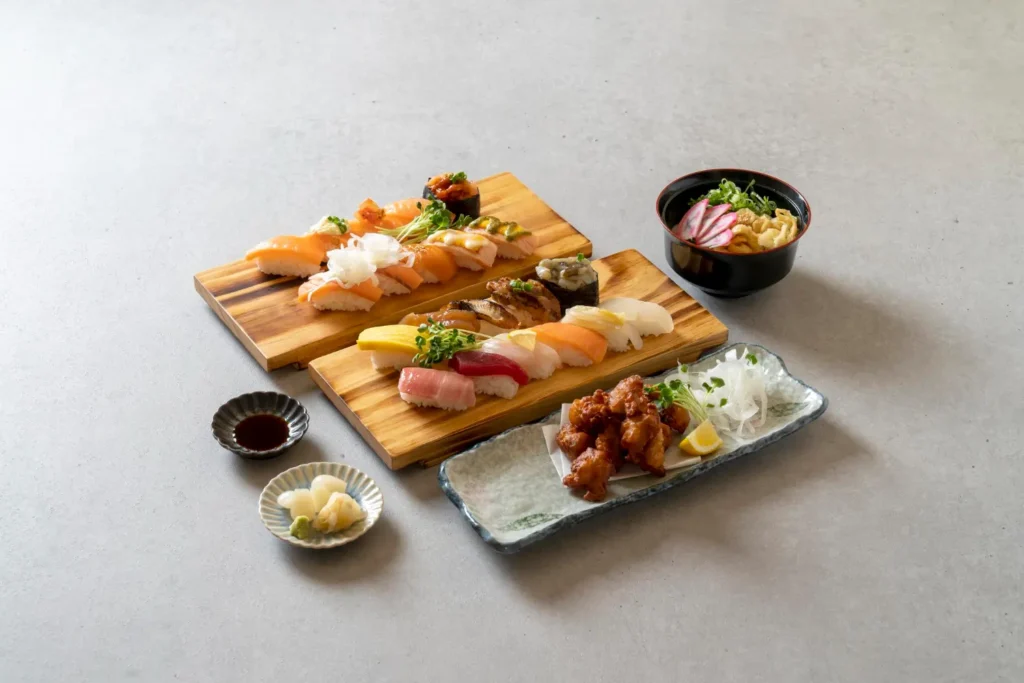
Modern Japanese food includes ramen, sushi as a widespread art form, izakaya bar food, and yoshoku dishes adapted from Western cooking. Popular Japanese foods like gyoza, karaage, and curry rice fall into this category.

Japanese Food Culture

Traditional Japanese Food and the Ichiju Sansai Model

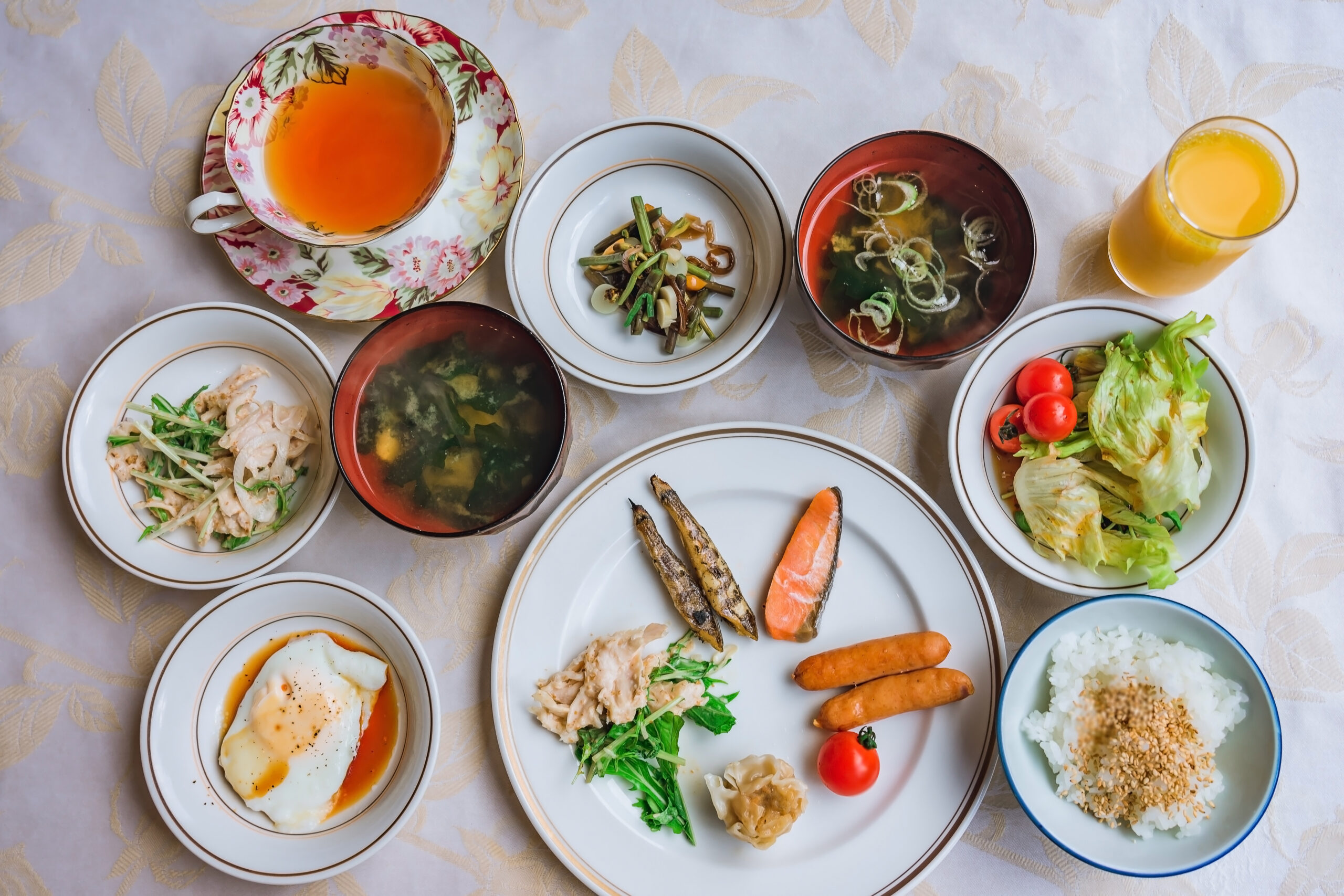
Most traditional Japanese meals follow a structure called ichiju sansai — one soup and three sides. A bowl of rice anchors the meal, miso soup provides warmth and umami, and three small dishes offer protein, vegetables, and pickles.

What Makes It Balanced

This structure isn’t just aesthetic. It naturally creates nutritional balance, combining carbohydrates, protein, fiber, and fermented foods in every meal. Dietitians frequently point to traditional Japanese food as one of the healthiest dietary patterns in the world.

Seasonal Cooking (Shun)

Japanese chefs prioritize shun — the peak season of an ingredient. Using bamboo shoots in spring, eel in summer, matsutake mushrooms in autumn, and root vegetables in winter isn’t just a preference; it’s a philosophy that connects food to the natural world.

Fermentation as a Foundation

Miso, soy sauce, sake, mirin, and tsukemono (pickles) are all fermented products that sit at the core of Japanese cooking. These ingredients add depth and complexity to dishes without relying on heavy spices or rich sauces.

Japanese Food Culture

Japanese Food Ingredients

The ingredients used in Japanese cooking are deliberately simple, but each one is chosen with care. Mastering these basics gives you a real window into how Japanese food works.

Key Japanese food ingredients include dashi (a light stock made from kombu seaweed and dried bonito flakes), soy sauce, mirin, sake, miso paste, rice vinegar, and sesame oil. These form the flavor foundation of almost every dish you encounter.

Umami as a Guiding Principle

Japanese cuisine is often described as umami-forward, and for good reason. Ingredients like kombu, shiitake mushrooms, miso, and bonito flakes are all rich in glutamates, the compounds responsible for savory depth. Japanese chefs discovered and named umami long before Western food science caught up.

Rice Above All

Short-grain Japanese rice — koshihikari is the most prized variety — is stickier and slightly sweeter than long-grain varieties. It’s eaten plain, turned into sushi rice with vinegar seasoning, fermented into sake, or ground into flour for wagashi (traditional sweets).

Japanese Food Culture

Japanese Food vs Chinese Food

People often group Japanese and Chinese food together, but the two traditions are quite different in technique, flavor profile, and philosophy. Both are rooted in rice and soy, but the similarities mostly stop there.

Chinese cooking tends to use bold, layered spicing — garlic, ginger, chili, and fermented bean pastes create complex, intense flavors. Japanese cooking leans toward subtlety, letting individual ingredients speak through minimal seasoning and careful preparation.

Cooking Techniques

Chinese cuisine relies heavily on high-heat wok cooking, deep frying, and long braising. Japanese cooking emphasizes raw preparations, light steaming, quick grilling (yakimono), and precise knife work — especially in sushi and sashimi.

Portion and Presentation Philosophy

Chinese food is traditionally served family-style, with shared dishes in the center of the table. Japanese food is typically plated individually, with careful attention to the visual composition of each bowl and plate.

Japanese Food Etiquette

Japanese culinary history stretches back more than 2,000 years, shaped by geography, religion, and foreign influence. Rice became the cornerstone of the diet during the Yayoi peKnowing how to eat Japanese food properly is a way of showing respect — both for the culture and for the people you’re sharing a meal with. A few rules go a long way.

Always say “itadakimasu” before eating and “gochisosama deshita” after finishing — these phrases express gratitude for the meal and acknowledge everyone involved in making it. Skipping them in a traditional setting is considered rude.riod, around 300 BCE, and it has held that role ever since.

Japanese Food Culture

Chopstick Rules

Never stick chopsticks upright in a bowl of rice — this mimics a funeral ritual and is considered deeply offensive. Don’t pass food chopstick-to-chopstick for the same reason. Rest them on a chopstick holder (hashioki) between bites.

Japanese Food Culture

Slurping Is Polite

One rule that surprises most visitors: slurping noodles is perfectly acceptable, and in many cases it’s a sign that you’re enjoying your ramen or soba. It also aerates the noodles and enhances the flavor. Don’t be shy about it.

Recent Posts

These platforms like https://essaypro.com/do-my-homework ensure essays are written from scratch, maintaining originality while following required citation styles.

  • Typical Japanese breakfast

    Typical Japanese breakfast

    A typical Japanese breakfast looks nothing like what most people outside Japan are used to. Instead of toast, cereal, or eggs and bacon, the traditional morning meal in Japan is a full savory spread — warm rice, a bowl of miso soup, grilled fish, pickled vegetables, and one or two…

  • Japanese ramen

    Japanese ramen

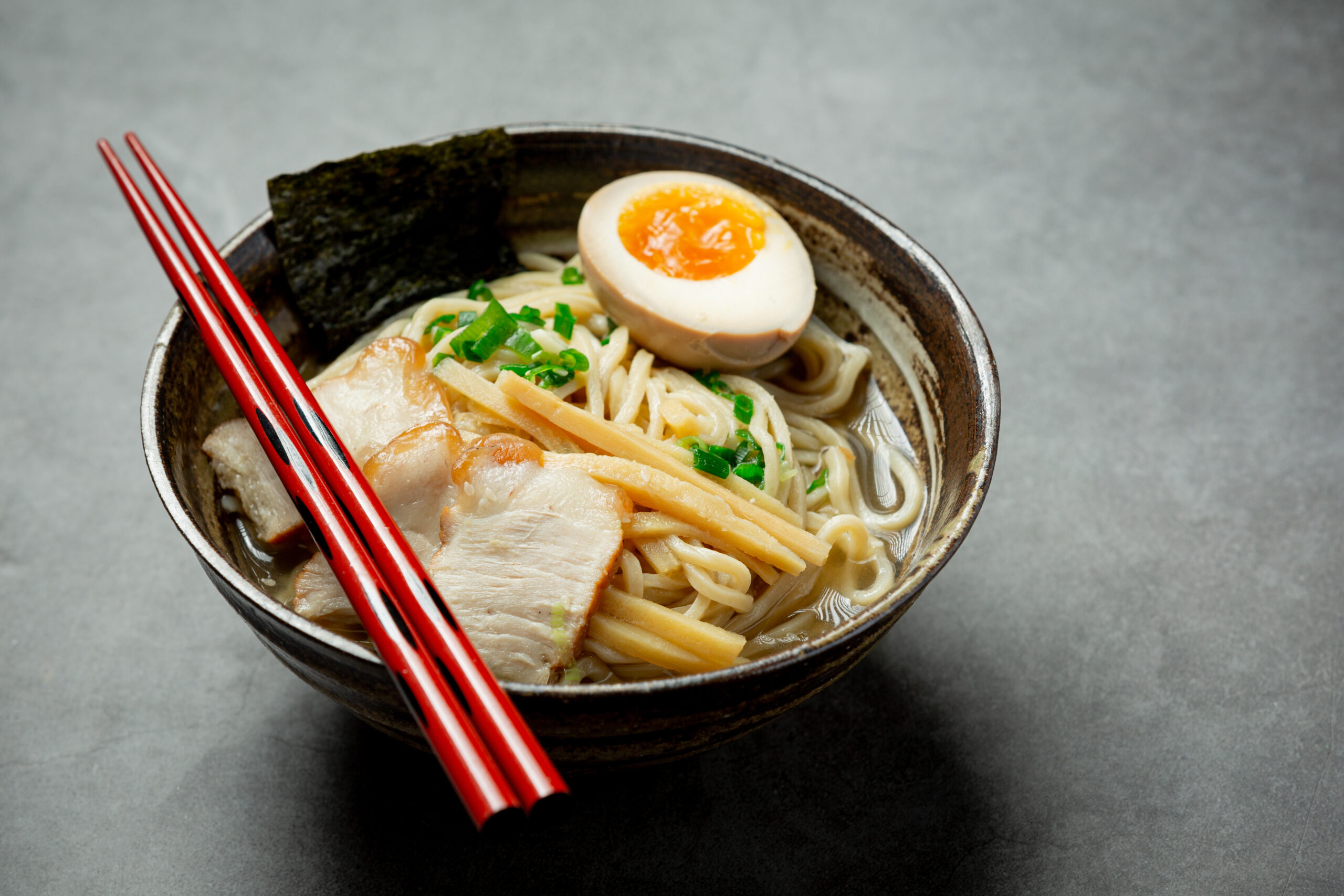
    Japanese ramen is one of the most beloved noodle dishes in the world, and for good reason. It is a complete meal in a single bowl, layered with broth, noodles, protein, and toppings that work together with a precision ramen chefs spend years developing and refining. What started as a…

  • Japanese street food

    Japanese street food

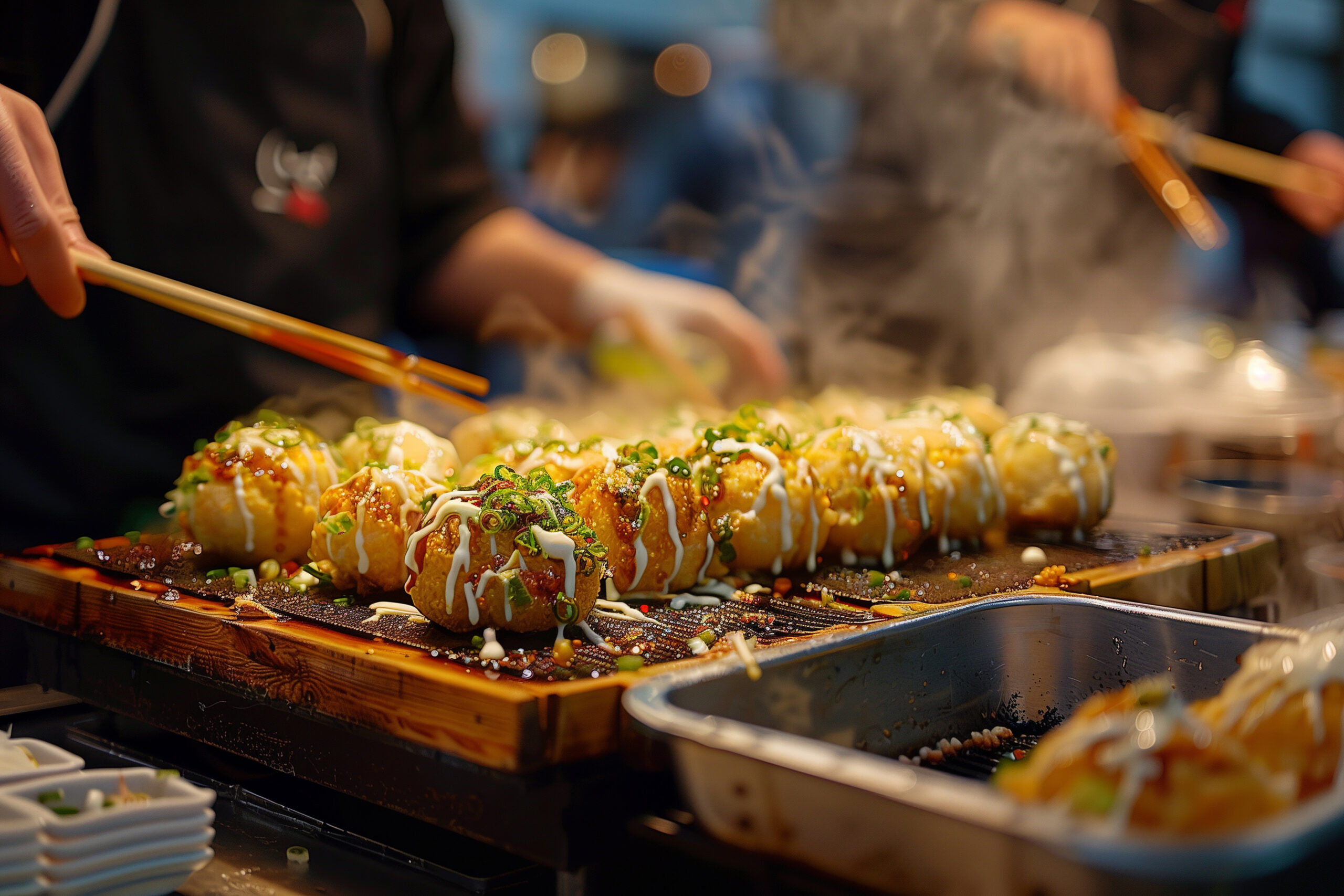
    Japanese street food is some of the most exciting food you can eat — quick, affordable, and packed with flavor you rarely find in sit-down restaurants. Whether you’re wandering through a summer matsuri (festival) or ducking into a covered market alley, the options are endless and almost always worth stopping…